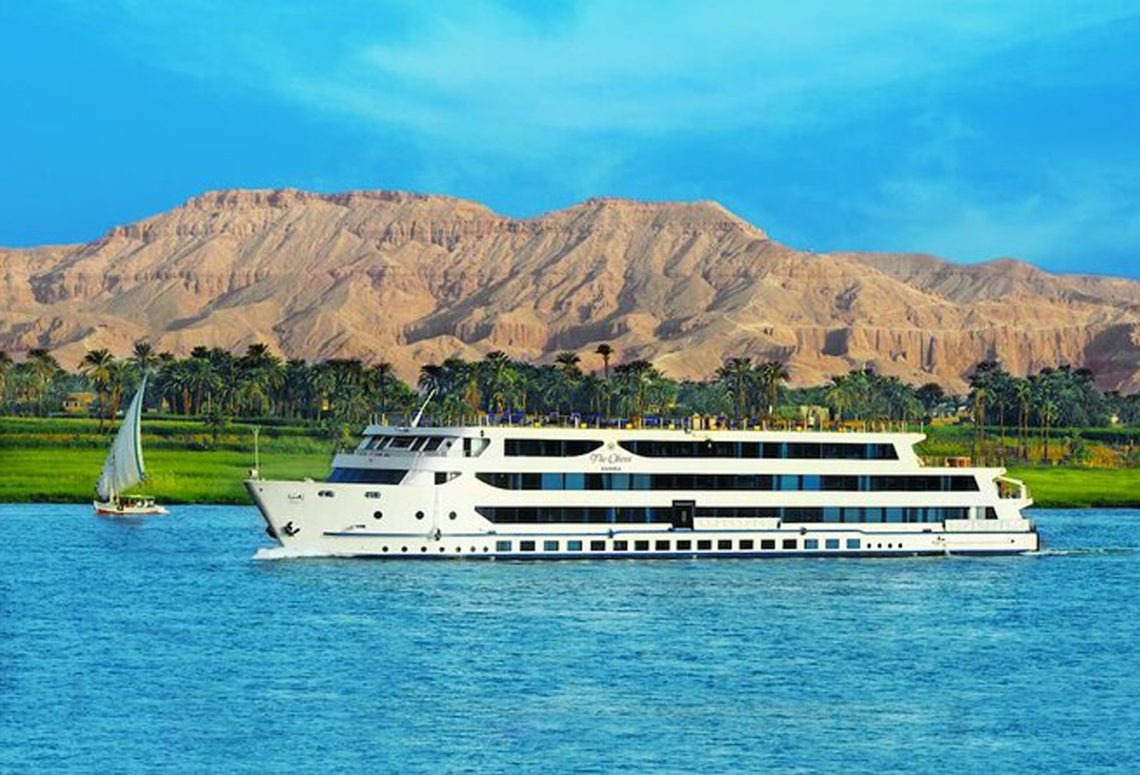
The Nile River has sustained Egyptian civilisation for millennia. Flowing through arid landscapes, it provides a vital water source and a fascinating transport route for the entire country. Taking a Nile cruise allows you to observe an environment that has operated in much the same way since the times of the pharaohs. Rushing between cities by plane or train often leaves travellers exhausted. Travelling by boat, however, allows you to proceed at a measured pace, watching daily agricultural life unfold directly along the riverbanks.
A Journey Through History and Culture
A river journey presents a highly efficient method to absorb Egypt’s extensive heritage. The distance separating Luxor and Aswan spans roughly 130 miles, a stretch holding an exceptional concentration of antiquities. By travelling on the water, you bypass dusty desert roads and arrive directly at prominent archaeological sites. You can wake up, enjoy breakfast, and step immediately off the boat to examine the Valley of the Kings or the Temple of Philae. This proximity is exceptionally valuable, saving hours of transit time each day and allowing for earlier starts before the midday heat arrives.
The Comforts of a Nile Cruise
Modern riverboats serve as floating sanctuaries amid the intense desert climate. After a morning spent exploring ancient ruins, returning to a cool, air-conditioned cabin is a deeply welcome relief. Most ships feature a top-deck swimming pool, extensive dining areas serving both regional and international cuisine, and quiet lounge spaces for reading or resting. This arrangement means you unpack your luggage once while your accommodation moves alongside you down the river. It is a highly practical approach to travel that prevents transit fatigue and keeps you refreshed for daily excursions.
Exploring Ancient Wonders
The standard river itinerary stops at monumental locations that define Egyptian history. You will visit Karnak Temple, a massive complex of sandstone pillars and obelisks built and expanded over a period of 2,000 years. Further south, the Temple of Edfu stands as one of the best-preserved shrines in the nation, originally dedicated to the falcon god Horus. Expert Egyptologists usually accompany these shore excursions, translating intricate hieroglyphs and explaining the broader historical context of every structure. Their extensive knowledge transforms piles of ancient stone into coherent, fascinating historical narratives that you can easily understand.
Beyond the Temples: Local Life and Landscapes
The river itself functions as a primary attraction. Between your scheduled temple visits, you can sit on the shaded deck and watch farmers working their fields using traditional irrigation methods that date back centuries. Children frequently wave from the muddy banks, and fishermen cast their wide nets from small, wooden feluccas. This steady daily rhythm provides a grounding contrast to the monumental scale of the pharaonic ruins. It reminds you that the waterway remains a living, working environment essential to millions of people today.
Choosing Your Nile Cruise Adventure
Selecting the right vessel depends entirely on your budget, schedule, and preferred travel style. Options range from large, multi-deck luxury ships with hundreds of passengers to traditional, wind-powered dahabiya boats that carry small groups. A standard river journey requires three to four nights, but a longer seven-night voyage permits a slower pace and additional, quieter stops along the route. Research the ship’s available amenities, the academic qualifications of its onboard guides, and the specific route to find a trip that fits your exact requirements.
An Unforgettable Voyage
A voyage along this historic river is an exceptionally practical and enjoyable way to see Egypt. It combines the logistical ease of a guided group tour with the consistent comfort of a premium hotel. You gather a deep understanding of ancient history while appreciating the continuous, quiet life along the water. Start planning your itinerary carefully, book your preferred vessel early, and prepare to observe centuries of human history from the comfortable deck of a riverboat.